 Lifestyle
The Eco-Friendly Home: Small Changes for Big Savings in 2026
Disclaimer: Savings figures are estimates based on average 2026 electricity tariffs in Pakistan and typical household usage. Your actual savings will vary with usage patterns, appliance condition, and local tariff slab.
You don't need solar panels on the roof or an electric car in the driveway to live a greener life. In 2026, with electricity tariffs in Pakistan crossing Rs. 65/unit for higher slabs and rising load-shedding in summer, an eco-friendly home is no longer just a sustainability choice — it's one of the smartest ways to protect your monthly budget. The best part? Most of the changes are small, one-time, and pay for themselves within a year.
This guide walks you through the highest-impact upgrades you can make this month: switching to LED lighting, planting natural air purifiers, calculating your home's efficiency score, and using small solar setups to dodge peak-hour costs.
1. The LED Revolution: Cut Lighting Bills by 85%
Lighting is the easiest energy win in any home. A traditional incandescent bulb wastes about 90% of its energy as heat, while a modern LED converts almost all of it into light. The technical measure that matters here is lumens-per-watt (lm/W) — it tells you how much actual brightness you get per unit of electricity. A typical incandescent gives 10–15 lm/W. A 2026 LED easily delivers 100–150 lm/W, which is why switching can reduce your lighting energy consumption by up to 85%.
Savings Calculator: Traditional Bulbs vs. LED (2026 Prices)
Below is a realistic monthly comparison for a single light point used 6 hours a day, at an average tariff of Rs. 50/unit (kWh):
| Bulb Type | Wattage | Units / Month | Monthly Cost | 10 Bulbs / Year |
|---|---|---|---|---|
| Incandescent | 100 W | 18 | Rs. 900 | Rs. 1,08,000 |
| CFL (Energy Saver) | 25 W | 4.5 | Rs. 225 | Rs. 27,000 |
| LED | 12 W | 2.16 | Rs. 108 | Rs. 12,960 |
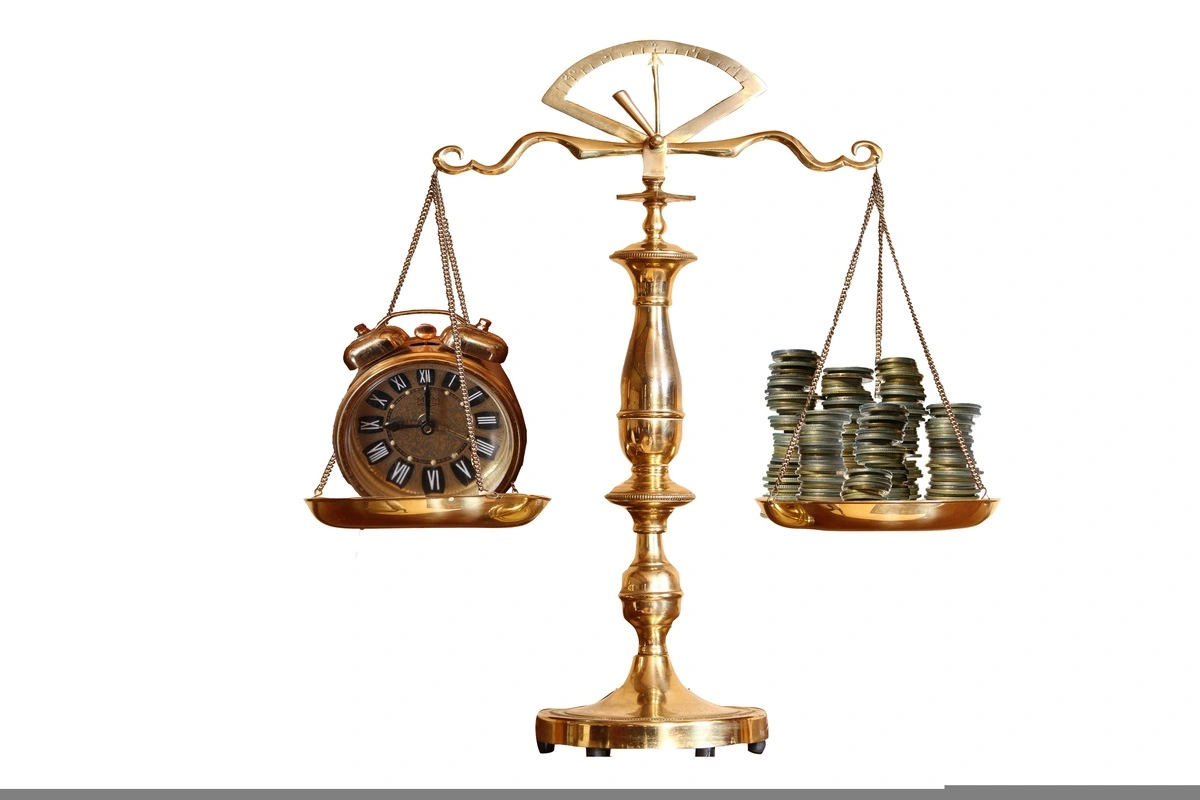
For a household of 10 light points, switching from incandescents to LEDs saves roughly Rs. 95,000 every year — and a quality LED lasts 15,000+ hours, so you replace bulbs far less often.
2. Natural Air Purifiers: 3 Plants Every Pakistani Home Should Own
Indoor air in urban Pakistan is often more polluted than outdoor air, especially during winter smog. Instead of a Rs. 30,000 air purifier, NASA's Clean Air Study (still referenced in 2026 indoor-air guidance) showed that several common houseplants quietly remove harmful pollutants like formaldehyde, benzene, and trichloroethylene.
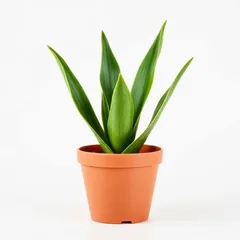 Snake Plant (Sansevieria): Almost impossible to kill. Releases oxygen at night, making it perfect for bedrooms. Filters formaldehyde from cleaning products and synthetic furniture.
 Spider Plant (Chlorophytum): A low-maintenance favorite that removes carbon monoxide and xylene (found in paints and printers). Safe for homes with pets and children.
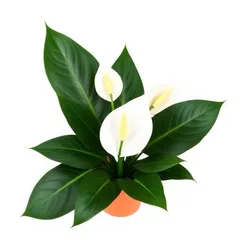 Peace Lily (Spathiphyllum): The most powerful all-rounder — tackles ammonia, benzene, and mold spores. Also adds humidity, which helps in dry, AC-cooled rooms.
3. The "Efficiency Score": How Efficient Is Your Home?
Before you can save, you need a baseline. The simplest DIY benchmark is the Monthly Room Load:
Monthly Room Load = Total Electricity Bill ÷ Number of Rooms
If a 5-room home pays Rs. 25,000/month, the room load is Rs. 5,000. Anything under Rs. 4,000 per room (in 2026 tariffs) is considered efficient. Anything above Rs. 6,000 means you have hidden energy drains — usually old fans, an aging fridge, "phantom load" from devices in standby, or a geyser left on all day.
🌿 Green Checklist: Tick Off This Week's Wins
4. Smart Power Strips: Killing the "Phantom Load"
Even when "off," your TV, Wi-Fi router, microwave clock, and chargers keep sipping electricity. This invisible phantom load can account for 5–10% of a monthly bill. A smart power strip cuts power to idle devices automatically, and a basic one costs less than Rs. 2,000 — paying itself back within months in most homes.
5. Small Solar: Beat Peak-Hour Tariffs in Pakistan's Climate
You don't need a Rs. 8 lakh full solar system to benefit from the sun. In 2026, a small 100–200W solar panel with an inverter and battery (around Rs. 25,000–40,000) is enough to run 2–3 fans and a few LED lights during the day. This is huge in Pakistan because daytime is exactly when grid electricity is most expensive (peak-hour tariffs) and load-shedding is worst. Even shifting just your fans to solar during the 11 AM – 5 PM window can save Rs. 2,500–4,000/month in summer.
The Bigger Picture: Healthy Home, Healthy Mind
An eco-friendly home isn't only about money. Cleaner indoor air, softer LED lighting, and lower background noise from old fans all contribute to better focus and lower stress. Your environment shapes your mood more than most people realize.
Start Small, Save Big
You don't have to overhaul your home in one weekend. Pick three items from the Green Checklist this week — replace 5 bulbs, add a Snake Plant to your bedroom, and put your TV on a smart power strip. Track your next two electricity bills and recalculate your Monthly Room Load. The numbers will speak for themselves: small changes, repeated consistently, are how every eco-friendly home in 2026 starts to save big.