 Finance
Petrol vs Hybrid vs Electric Car: 5-Year Cost Comparison (Pakistan 2026)
Disclaimer: All figures below are estimates based on average 2026 Pakistani market prices, tariffs and running costs. Vehicle prices, fuel rates, electricity slabs and spare-part costs change frequently. Use the numbers as a framework, then plug your own inputs into our calculators before making a purchase decision. This is not financial advice.
Written and fact-checked by the Calculator Jungle Editorial Team. Figures were cross-checked in August 2026 against showroom price lists, OGRA-notified petrol rates, DISCO domestic tariff slabs and workshop service schedules quoted by owners in Karachi, Lahore and Islamabad. We build and maintain the calculators linked in this article, and we update these numbers whenever fuel or tariff rates change. Last reviewed: August 2026.
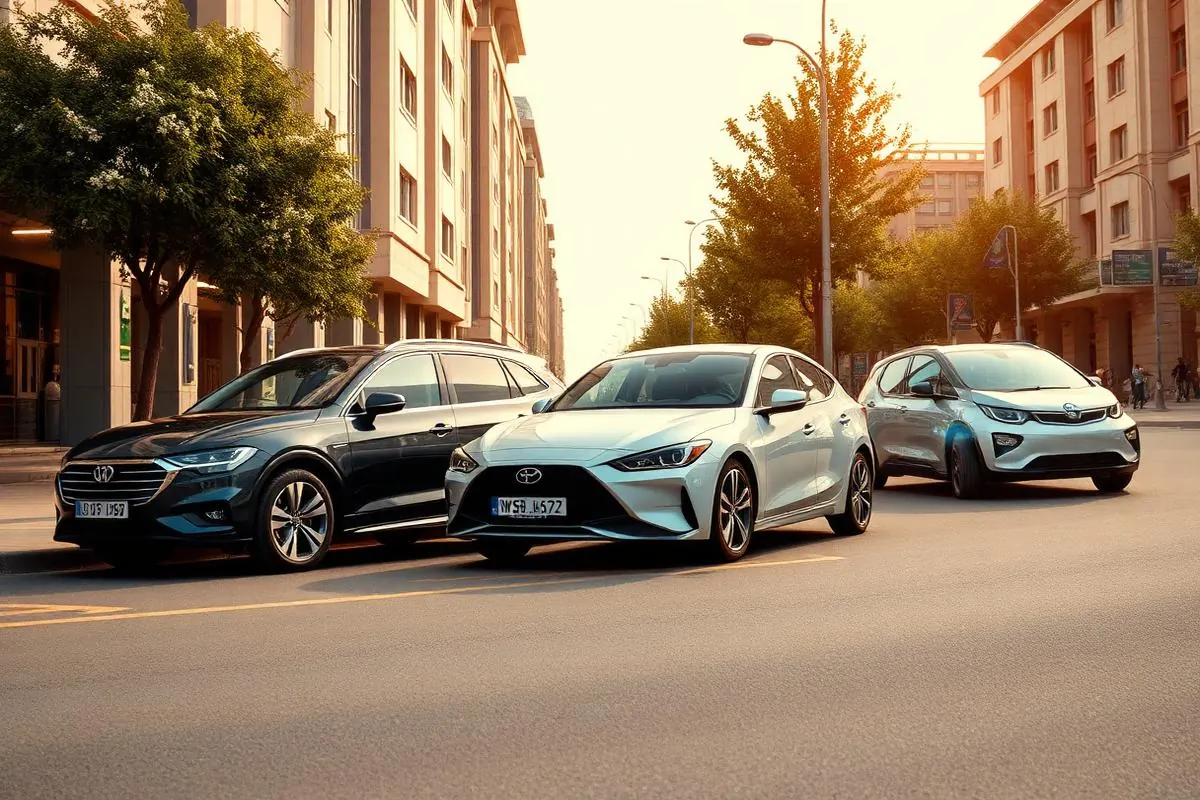
Buying a car in Pakistan in 2026 is no longer a simple choice between a 1000cc hatchback and a 1300cc sedan. Showrooms now sell three fundamentally different machines side by side: the familiar petrol car, the increasingly common hybrid, and a fast-growing line-up of electric vehicles (EVs). Each has a very different cost curve — and the sticker price tells you almost nothing about which one will actually be cheaper five years from now.
This guide breaks down the real five-year cost of ownership for all three, using the kind of driving patterns most Pakistani households actually have: 1,200–1,500 km a month, a mix of city crawling and the occasional motorway run, and electricity billed at protected or unprotected domestic slabs.
1. Purchase Price: Where the Gap Starts
The upfront price is the single largest cost in any five-year ownership window, and in 2026 it still heavily favours petrol. A typical mid-range 1300cc petrol sedan sits in the Rs. 55–65 lakh range. A comparable hybrid — think a 1500cc self-charging hybrid sedan or crossover — starts around Rs. 85 lakh and climbs quickly. Locally assembled and Chinese-import EVs with usable range now begin around Rs. 70 lakh, with premium models well past Rs. 1.2 crore.
| Category | Typical 2026 price | Resale after 5 years |
|---|---|---|
| Petrol sedan (1300cc) | Rs. 58 lakh | Strong — deep used market |
| Hybrid (1500cc) | Rs. 88 lakh | Good, but battery-age sensitive |
| Electric (mid-range) | Rs. 78 lakh | Uncertain — thin used market |
Note the second column carefully. In Pakistan, resale value is part of the purchase decision, not an afterthought. Petrol cars from established brands hold value remarkably well because every mechanic in every city can fix them. EVs, by contrast, have almost no five-year resale history here yet, which makes their depreciation the biggest unknown in the entire comparison.
2. Fuel Cost: The Monthly Bleed
Petrol is where the petrol car loses its early lead. Assume 1,400 km per month and petrol at roughly Rs. 275 per litre.
- Petrol sedan at a realistic city average of 11 km/l: about 127 litres a month, or roughly Rs. 35,000/month.
- Hybrid at a realistic 20 km/l in mixed driving: about 70 litres, or roughly Rs. 19,250/month.
- Electric: no petrol at all — see the charging section below.
Over five years, that is about Rs. 21 lakh in petrol for the conventional car versus Rs. 11.5 lakh for the hybrid — a Rs. 9.5 lakh swing before a single service bill is counted. And that assumes petrol prices stay flat, which they historically never do.
Before you accept these averages, run your own route. Our Fuel Cost Calculator lets you enter your actual distance, mileage and current petrol rate — including round trips and shared rides — to see what your commute genuinely costs per month.
3. Maintenance Cost: The Quiet Difference
A petrol engine has hundreds of moving parts, and each one is a future invoice. Budget for oil changes every 5,000 km, filters, spark plugs, a timing belt around the 90,000 km mark, brake pads, clutch work on manuals, and the inevitable suspension refresh that Pakistani roads guarantee. Realistically, Rs. 60,000–90,000 a year for a well-kept sedan.
Hybrids are cheaper to maintain than most people expect. Regenerative braking means brake pads often last twice as long, and the petrol engine spends less time running. But hybrids are not simpler — they are more complex, and the specialists who can properly diagnose an inverter or hybrid battery fault are concentrated in Karachi, Lahore and Islamabad. Budget Rs. 50,000–80,000 a year, plus the risk of one expensive out-of-warranty event.
EVs are the clear winner here. No oil changes, no spark plugs, no exhaust system, no clutch, no timing belt. Servicing is largely tyres, brake fluid, cabin filters and software. Most owners report Rs. 20,000–35,000 a year. The catch is the traction battery: outside warranty, a replacement is a very expensive event, though 2026-era packs are generally warranted for eight years or 160,000 km.
4. Electricity and Charging Costs in Pakistan
An EV's running cost depends entirely on where you charge. A typical mid-range EV uses about 16 kWh per 100 km in Pakistani city conditions. At 1,400 km a month, that is roughly 224 units.
| Charging source | Approx. rate | Monthly cost (224 units) |
|---|---|---|
| Home, protected slab | Rs. 45/unit | Rs. 10,080 |
| Home, unprotected top slab | Rs. 70/unit | Rs. 15,680 |
| Public DC fast charger | Rs. 95/unit | Rs. 21,280 |
| Rooftop solar (self-generated) | Rs. 8–12/unit effective | Rs. 1,800–2,700 |
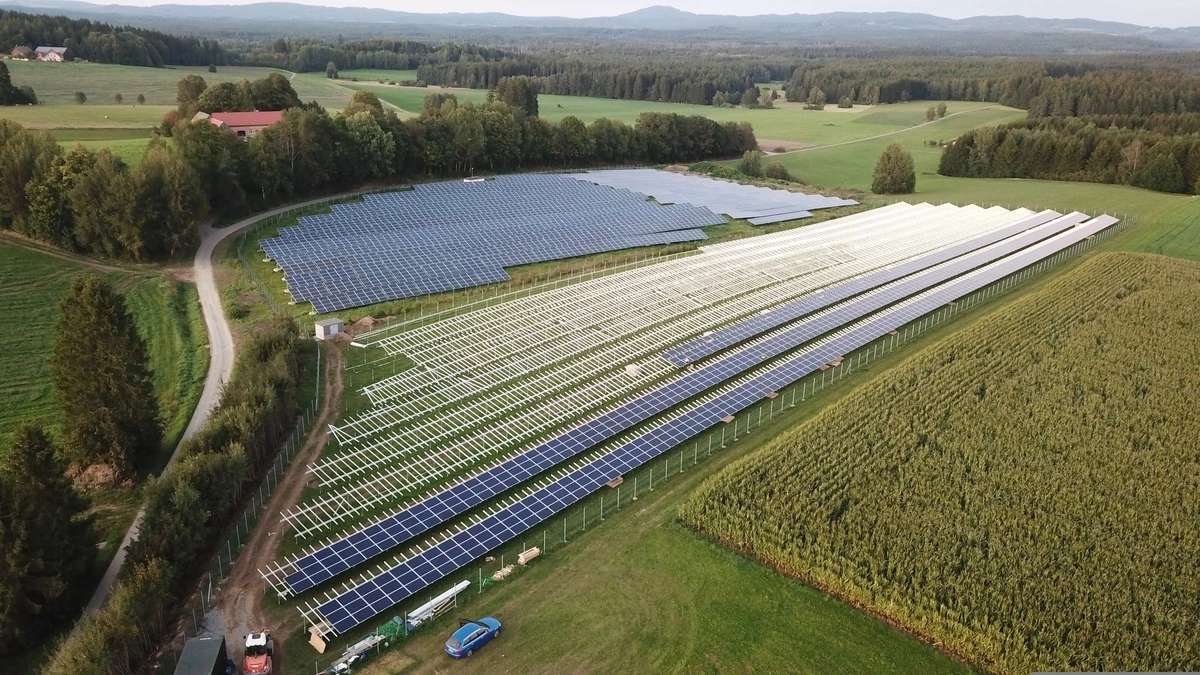
This table is the single most important thing in the article. An EV charged mostly on public fast chargers is barely cheaper to run than a good hybrid. An EV charged at home on solar costs less to run than many motorcycles. The vehicle did not change — only the electricity source did.
That is why the EV conversation in Pakistan is really a solar conversation. If you already have panels, or are considering them, check the payback maths with our Solar ROI Calculator before you assume grid charging costs. And to compare a specific petrol car against a specific EV using your own numbers, use the Fuel vs EV Savings Calculator.
5. The Five-Year Total: Putting It Together
Assume 1,400 km per month for 60 months, home charging on an unprotected slab, and no major unscheduled repairs.
| Cost item (5 years) | Petrol | Hybrid | Electric |
|---|---|---|---|
| Purchase price | Rs. 58,00,000 | Rs. 88,00,000 | Rs. 78,00,000 |
| Fuel / electricity | Rs. 21,00,000 | Rs. 11,55,000 | Rs. 9,40,000 |
| Maintenance | Rs. 3,75,000 | Rs. 3,25,000 | Rs. 1,40,000 |
| Insurance & registration | Rs. 7,00,000 | Rs. 10,50,000 | Rs. 9,50,000 |
| Total outlay | Rs. 89,75,000 | Rs. 1,13,30,000 | Rs. 98,30,000 |
Read this honestly: over five years at moderate mileage, the petrol car is still the cheapest total outlay in Pakistan in 2026. The hybrid's fuel savings are real but do not fully repay a Rs. 30 lakh price premium in five years. The EV closes the gap faster than the hybrid, and if you drive 2,500+ km a month or charge on solar, it moves into first place.
Change one assumption — heavy mileage, solar charging, or another petrol price shock — and the ranking flips. So treat the table as a starting frame, not a verdict — your mileage and tariff slab decide the winner.
6. Which Option Suits Which Driver
Choose petrol if: you drive under 1,000 km a month, live outside a major metro, plan frequent intercity trips to smaller towns, keep cars for 8–10 years, or simply want the lowest entry price and the widest repair network. A Rawalpindi household doing school runs and a weekly Islamabad trip will never recover a hybrid premium.
Choose a hybrid if: you do heavy stop-start city driving — Karachi's Shahra-e-Faisal at 6pm, Lahore's Ferozepur Road — and cover 1,500–2,500 km a month. Hybrids shine in exactly the traffic where petrol engines waste the most fuel, and they carry zero range anxiety on the motorway.
Choose an EV if: you have secure home parking with a dedicated charging point, ideally solar-backed, and your driving is predictable and urban. A Lahore professional commuting 60 km daily on a solar-charged EV is running the cheapest per-kilometre car in the country by a wide margin.
7. Hidden Ownership Costs Nobody Quotes
- Charger installation: a proper 7kW home wallbox with dedicated wiring and breaker costs Rs. 150,000–300,000. Rarely included in EV price quotes.
- Insurance premiums: comprehensive cover is priced as a percentage of vehicle value, so an expensive hybrid or EV costs more every single year, not once.
- Battery health depreciation: buyers of used hybrids and EVs discount aggressively for unknown battery condition. Keep every service record.
- Parts lead times: a common petrol sedan part arrives same-day from Bilal Ganj or Plaza Market. An EV inverter module may take weeks to import — and the car sits idle meanwhile.
- Load-shedding and voltage: if your area has unstable supply, overnight charging becomes unreliable and you fall back on expensive public chargers.
- Financing cost: a Rs. 30 lakh larger loan at prevailing car-financing rates can add Rs. 12–15 lakh in markup over five years — a cost that never appears in fuel-savings marketing. Model the instalments with our Loan Calculator.
- Everything else on the ledger: token tax, tracker subscriptions, parking and annual fitness costs add up quietly — we itemise them in The Hidden Costs of Car Ownership in Pakistan.
8. Practical Money-Saving Tips for Any of the Three
- Fix your tyre pressure habit. Under-inflated tyres cut efficiency by 3–5% on every kind of drivetrain. Check monthly; it is free. More habits like this in our fuel efficiency guide.
- Track your real cost per kilometre. Most people guess wrong by 30%. Log a month of actual spending with the Fuel Cost Calculator before making any switching decision.
- Charge overnight, and avoid deep discharges. EV batteries last longest between 20% and 80% state of charge, and home charging avoids public-charger markups.
- Combine errands. A cold engine burns dramatically more fuel in the first 5 km. Three separate short trips cost far more than one planned loop.
- Consider solar before considering an EV. Panels reduce your electricity bill whether or not you ever buy an EV — and they turn an EV from moderately cheaper into dramatically cheaper. Check payback with the Solar ROI Calculator.
- Service on schedule, not on symptoms. A Rs. 6,000 oil change prevents a Rs. 200,000 engine job. This applies to hybrids too.
- Buy the car you actually drive. Paying an EV or hybrid premium for a car that covers 600 km a month is a guaranteed loss, no matter how good the technology is.
Frequently Asked Questions
Is a hybrid worth it in Pakistan if I only drive 800 km a month?
Almost certainly not. At 800 km a month the hybrid saves roughly Rs. 11,000 in petrol monthly, which is about Rs. 6.6 lakh over five years — nowhere near a Rs. 30 lakh price premium. Hybrids start making financial sense past roughly 1,800–2,000 km a month, and even then the payback runs beyond five years.
What happens to an EV battery in Karachi's heat?
Sustained high ambient temperatures accelerate calendar ageing, and cars parked outdoors all day in coastal humidity fare worse than garaged ones. Practical mitigations: park in shade, avoid leaving the pack at 100% overnight, and prefer AC home charging over repeated DC fast charging, which heats cells hardest. Most 2026 packs are warranted for eight years or 160,000 km with a stated minimum retained capacity — read that clause before signing.
Can I charge an EV on a rooftop solar system without net metering?
Yes, if you charge during daylight. A 5–7 kW system can deliver most of a typical 224-unit monthly requirement if the car is home during the day. Without net metering you cannot bank surplus units for overnight charging, so night charging still bills at your normal slab rate. That daytime-versus-night split is the difference between the Rs. 2,000 and Rs. 15,000 rows in the charging table above.
Do hybrids need a special mechanic, or can any workshop service them?
Routine work — oil, filters, brakes, suspension — can be done at any competent workshop. Hybrid-specific faults involving the inverter, high-voltage cabling or the battery pack need trained technicians and insulated tooling, and those are concentrated in the three biggest cities. If you live in a smaller city, factor in a trip for any hybrid-system diagnostic.
Which of the three is cheapest if petrol crosses Rs. 350 per litre?
The ranking tightens quickly. At Rs. 350/litre and 1,400 km a month, the petrol sedan's five-year fuel bill rises by roughly Rs. 5.7 lakh and the hybrid's by about Rs. 3.2 lakh, while the EV is unaffected. The EV's total outlay then lands close to the petrol car's, and a solar-charged EV moves ahead outright.
Is a used imported hybrid a cheaper way in?
It lowers entry cost but transfers risk to you. A five-to-seven-year-old imported hybrid arrives with an unknown battery state of health and no local warranty; a pack replacement can erase the entire saving. Insist on a battery health report and full service history, and price in one major repair.
How accurate are the figures in this comparison?
They are representative August 2026 market estimates, not quotes. Purchase prices vary by variant and city, insurance is a percentage of declared value, and electricity cost depends on your slab. Every number here is reproducible — enter your own inputs in the linked calculators and you will get a figure specific to your household rather than an average.
Conclusion: Run Your Own Numbers
In Pakistan in 2026, there is no universally correct answer. Petrol still wins on total five-year outlay for low-to-moderate mileage drivers. Hybrids make excellent sense for heavy city commuters who want savings without infrastructure changes. EVs are the cheapest to run and the most expensive to enter — and they become genuinely compelling the moment you pair them with home solar and high monthly mileage.
What matters is not the averages in this article, but the four numbers that describe your life: how far you drive each month, what you pay per litre, what you pay per unit, and how long you plan to keep the car. Change those and the winner changes with them.
Do the maths in two minutes
Start with the Fuel Cost Calculator to find your true monthly petrol spend, then compare it head-to-head with an EV using the Fuel vs EV Savings Calculator. If an EV looks close, finish with the Solar ROI Calculator — solar is usually what tips the decision. All three run entirely in your browser, free, with nothing stored.
Disclaimer: This article is for general educational purposes and does not constitute financial or purchasing advice. Vehicle prices, fuel rates, electricity tariffs and insurance costs in Pakistan change frequently. Verify current figures with dealerships, your DISCO bill and your insurer before committing to a purchase.